

Download App






 Aug 10, 2026




Smart homes are becoming a part of everyday life across modern households. Awareness of smart home internet requirements can be used to develop a stable and interconnected home environment. Every smart device relies on a quick and reliable internet connection. A strong network keeps the automation, streaming, and security systems running smoothly.
A bad connection may interfere with the performance of various connected devices. Selecting the appropriate broadband enhances speed, reliability, and overall user experience. A future-ready network supports the increasing number of smart home devices.
All smart devices connected to your network use internet bandwidth. Smart speakers process voice commands and update software on a regular basis. Smart lighting, thermostats, and appliances are continuously exchanging small amounts of data. Videos are uploaded by security cameras throughout the day. Each new device is an additional load on your network. Knowing how to use devices enables you to create a better and quicker home network.
Modern smart homes need internet consistency and not merely increased download speeds. A variety of devices can run at the same time. Fiber optic broadband provides low-latency and highly reliable connectivity. Using fiber broadband for IoT can enable every connected device to communicate more effectively. It also enhances streaming, automation, online gaming, and remote device management.
Most homeowners consider only download speed when choosing an internet plan. Nevertheless, upload speed is also crucial for smart home devices. The security cameras continuously upload the footage to the cloud storage or surveillance software. Recording and mobile notifications may be delayed by slow uploads. Selecting an appropriate internet speed for security cameras will guarantee efficiency in monitoring and continuous surveillance throughout the day.
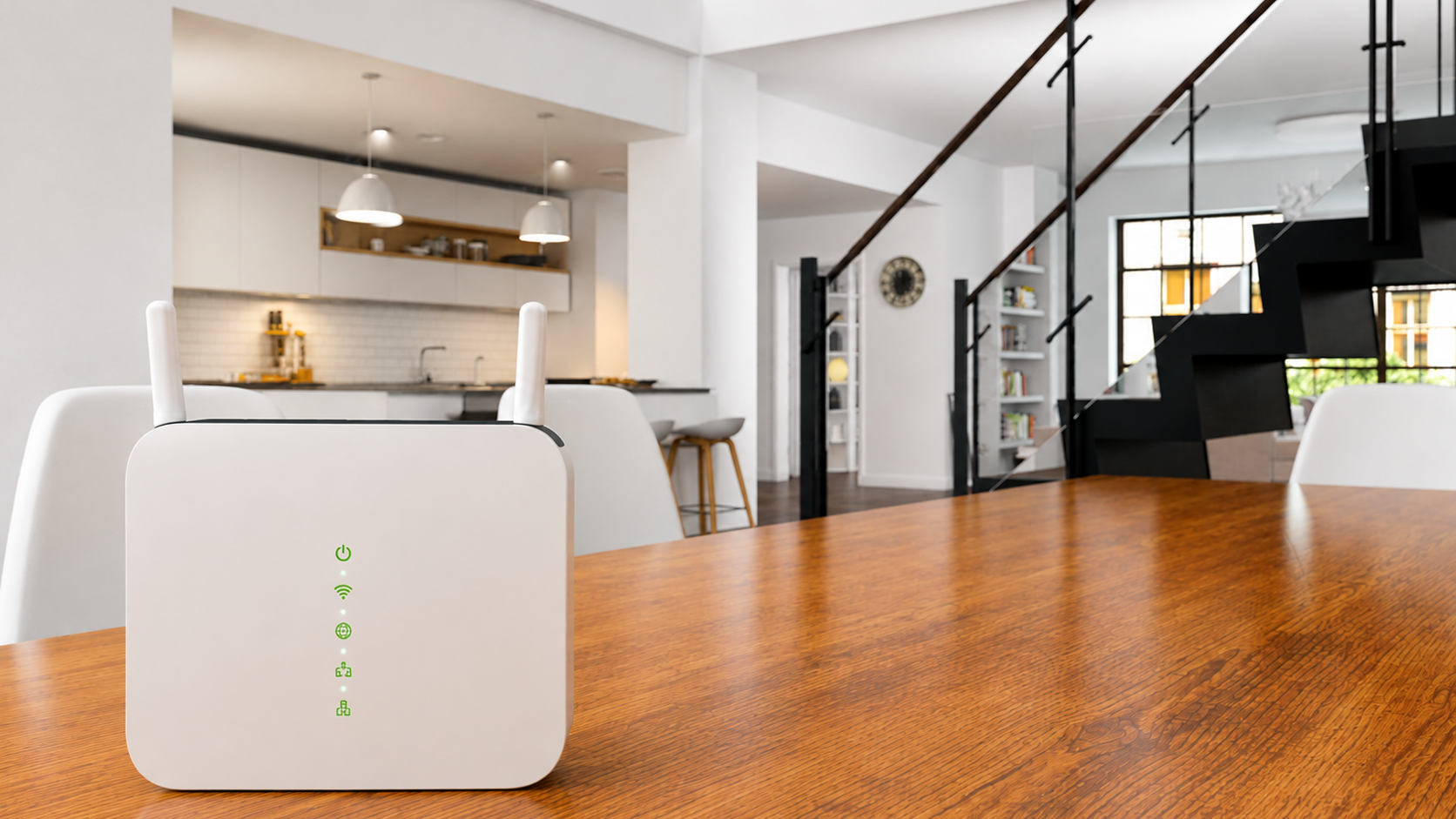
A strong Wi-Fi system will ensure all smart devices stay connected without delays. Selection of appropriate equipment enhances speed, coverage, and performance.
Modern routers are more effective in managing numerous connected devices. Choosing the best wifi for smart home will ensure smoother operations as your connected ecosystem expands.
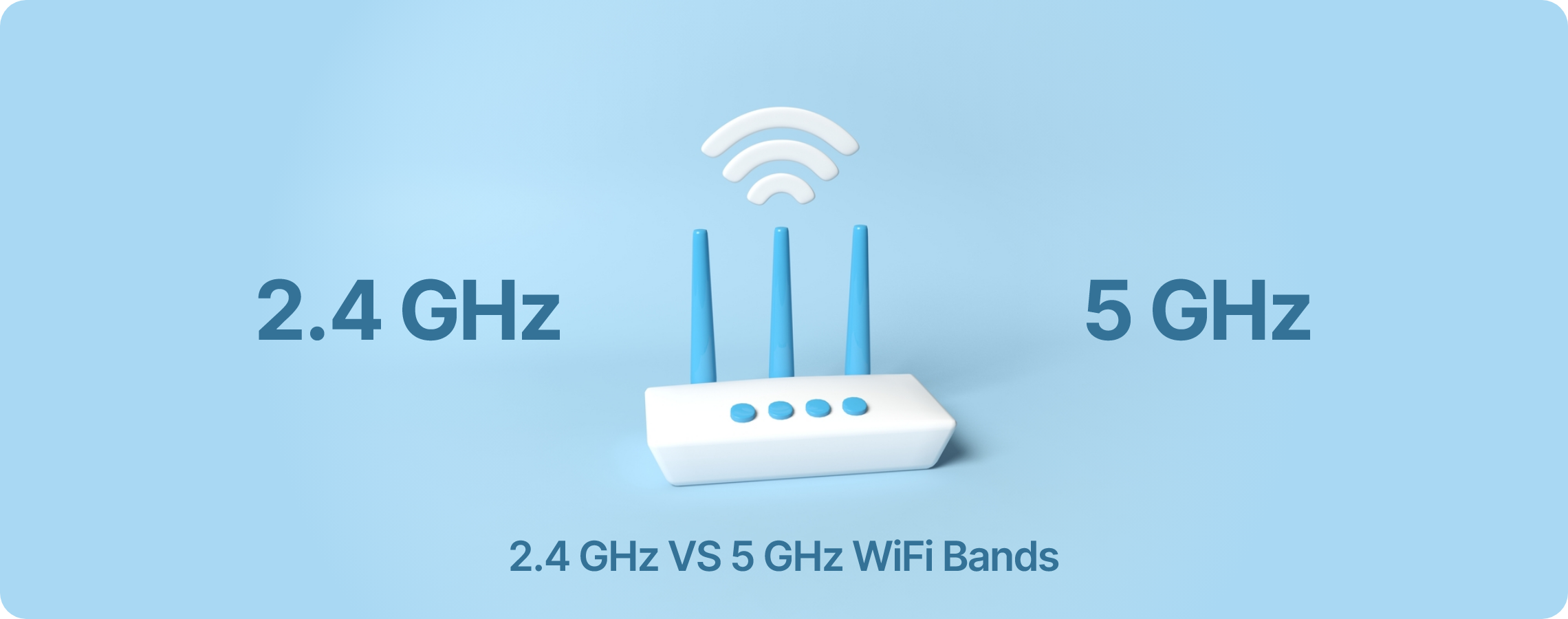
Several frequency bands decrease network traffic during peak periods. This makes smart devices operate effectively without the need to experience connection failures on a regular basis.
Install your router in a central and open place. Greater coverage increases signal strength and provides more uniform coverage across your home.
Select a broadband plan that will accommodate both present and future smart devices. A stable connection eliminates inconveniences when your home automation system expands.
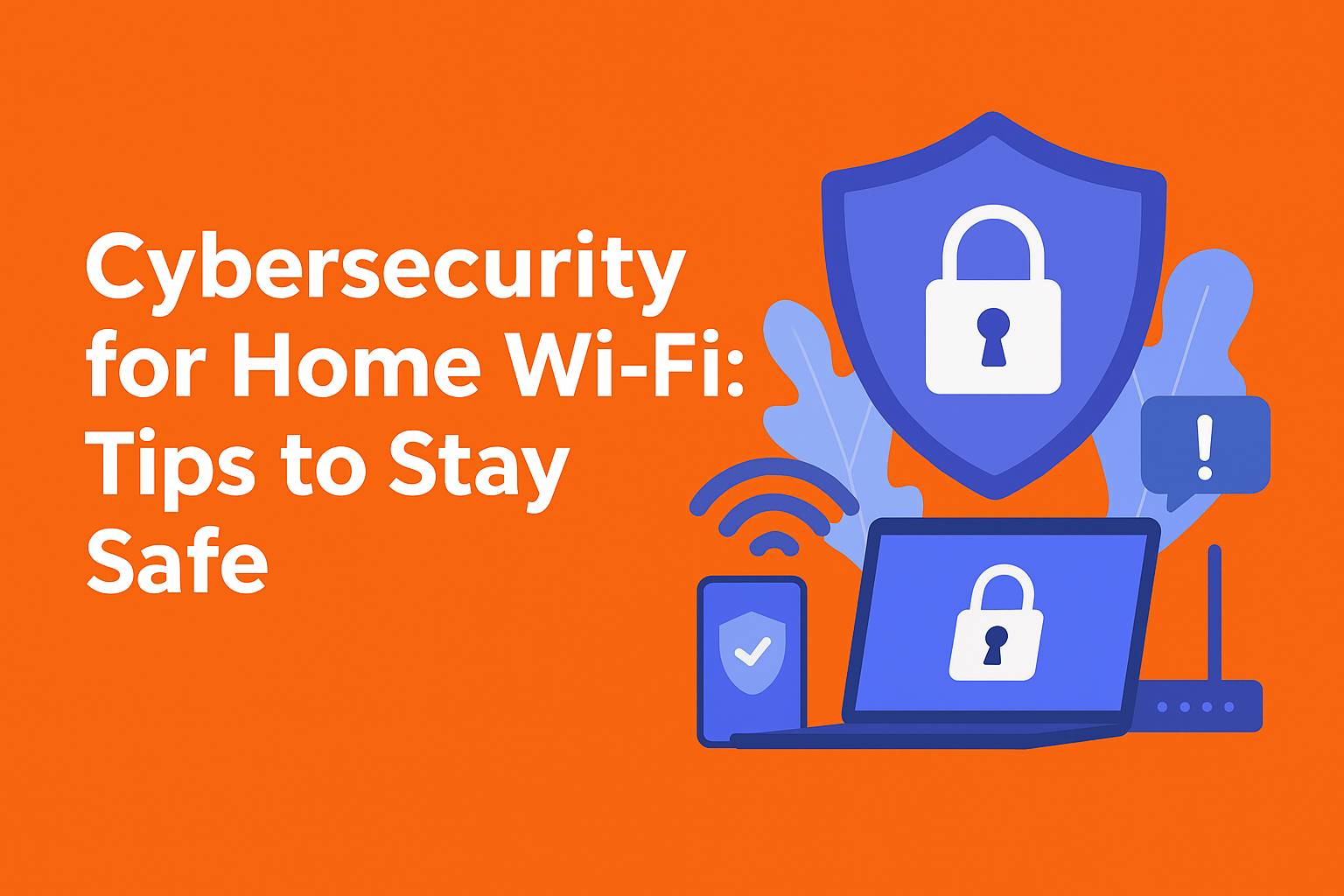
Good network security secures your connected devices and personal data. Cybersecurity can be greatly minimized by a couple of easy measures.
Use unique passwords for your router and every connected device. Strong credentials make unauthorized access much more difficult.
Always update the firmware when released by manufacturers. Solutions such as Mach1 fiber smart home are more effective if connected devices are updated and safe.
Activate WPA3 encryption if your router supports this feature. High-level encryption provides additional protection against cyber threats.
Connect smart devices to a dedicated guest or IoT network. This restricts possible risks in case any of the connected devices is ever compromised.
Smart homes are still developing while adding more devices and sophisticated automation. This expanding technology environment is enabled by a future-ready internet connection. Quality broadband guarantees consistent performance as the number of connected devices increases. Services such as Mach1 fiber smart home offer the stability and speed required for contemporary homes. Better connectivity investment today is a way of equipping your home for future innovations.
Every successful smart home is built on the basis of a good internet connection. Fiber broadband, reliable wifi, and network security work together seamlessly. Selecting an appropriate broadband enhances the user experience and device performance. New technologies can be supported by future-ready connectivity when your smart home expands. Minor upgrades today would generate a home that is faster, safer, and more connected tomorrow.