

Download App






 Feb 16, 2026




In the modern digitalized society, a good internet connection in the house is no longer a luxury but a necessity. Whether it is remote work and online education, entertainment streaming, and smart home gadgets, a reliable internet connection is useful in almost all areas of contemporary life. Selecting the appropriate home broadband connection will guarantee continuous connection, enhanced download speed, and video calls.
Most of the service providers have introduced flexible residential WiFi plans depending on the needs and budget of the household. Regardless of whether you are alone or live in a big family, the right internet plan will help to make your online experience much better. Being familiar with what is available makes it possible to get the best value without sacrificing speed or reliability.
1. Fiber Broadband
Fiber internet provides very high speeds at low latency with ultra-fast speeds and is therefore used in streaming, gaming, and remote work. A large number of families choose it as a dependable home broadband internet to ensure high-performance internet constantly.
2. DSL Internet
DSL internet uses telephone lines and is very ubiquitous particularly in semi-urban or rural communities where fiber does not necessarily extend. It is still a cheaper choice among residential WiFi plans in case of simple browsing, emails and light streaming.
3. Cable Internet
The cable internet is a high-speed internet that utilizes the coaxial television cables to offer a high speed compared to the DSL and consistent connectivity in day-to-day internet use. It is an effective broadband service among home users who tend to stream content on a regular basis, but might not need extremely high speeds.
4. Wireless Broadband (4G/5G)
Wireless broadband uses mobile networks to provide internet services without the use of physical cables and as such, it is relatively easy to install. This mobile home WiFi is an option that is flexible to those who rent, temporary users or in situations where wired infrastructure is not available.
The Internet providers usually have both monthly subscription and long-term packages. Monthly plans are flexible, and one can change providers or upgrade without a lot of difficulties. These plans are apt to temporary residents or to students or people not certain about long-term commitments.
Discount rates, additional benefits or bundling services often come in long-term plans, which may be six months to a year. They may prove cheaper in case you are sure of your usage requirements and reliability of service providers.
Compare the terms of contracts, installation prices and possible cancellation fees before selecting a home WiFi connection. A close consideration will prevent unnecessary costs and provide reliable connectivity.

Various households need varying internet connections based on the usage pattern. The speed of basic browsing and social media activities is usually 20-40 Mbps. In the case of HD streaming, video conferencing, and online learning, 50-100 Mbps is normally adequate.
A family that has more than one user, a smart television, a gaming system or an appliance with internet connectivity can have greater demands of more than 200 Mbps. The increased speed will eliminate delays in the event of multiple devices running at the same time.
The appropriate choice of home broadband connection with regard to speed guarantees a comfortable performance. Excessive speed requirements may raise expenses, and insufficient speed may result in annoying delays. Select your plan with a balance between affordability and functionality.
1. Balanced Speed Plans
Mid-range residential WiFi plans have a typical speed that is sufficient to browse, stream, video call, and a bit of gaming. They offer a consistent performance at a reduced rate compared to the expensive premium ultra-fast internet levels.
2. Unlimited Data Options
Unlimited data will make sure that your home broadband connection meets your needs with unlimited streaming, downloads, and work-from-home without additional charges. It avoids interruptions or throttling of speed after the monthly data limit has been reached.
3. Reliability and Consistency
The reliable home WiFi system must be able to assure stable speeds throughout the day and be used to work, entertain, and communicate. Quality service reduces downtime and provides easy connectivity between various devices at home.
4. Cost-Effective Everyday Plans
Home users should have affordable broadband that allows them to balance the monthly cost, speed and data allowances. The comparison of providers will assist in establishing the plans that are performing well and at the same time make the internet affordable to use on a daily basis.
5. Strong Customer Support
Good residential WiFi packages are those that have responsive customer care and fast technical support in case of problems. On-demand services make sure that your connection is steady and minimize inconvenience when the network is unavailable unexpectedly.
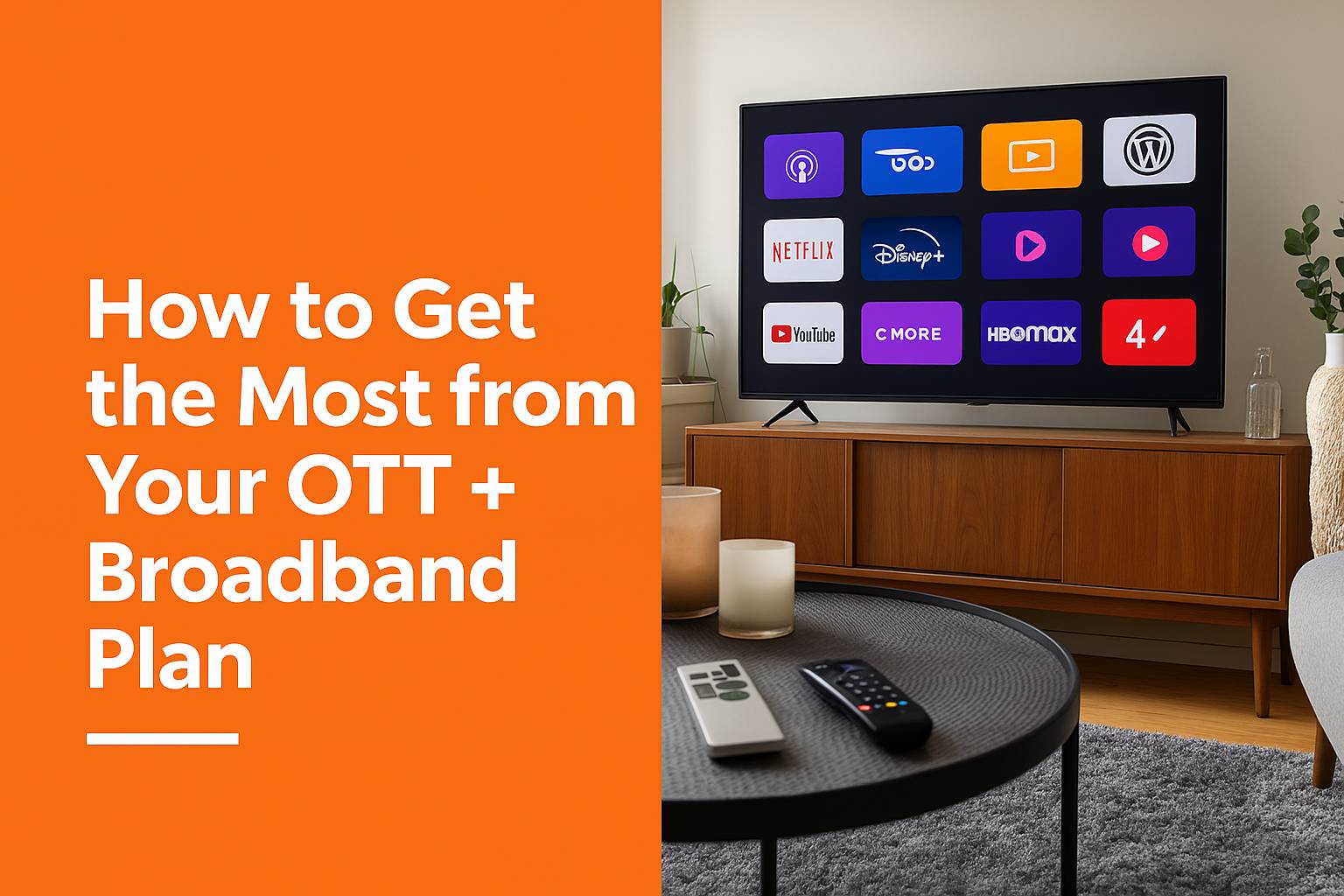
Customers can purchase internet packages alongside OTT services such as streaming sites by many providers today. The bundled deals are value added, which enables the user to consume movies, series, and live content without having to subscribe to them individually.
These plans are particularly appealing to those families who stream entertainment regularly. OTT services can be combined with home WiFi at a convenient and cost-effective price.
Nevertheless, the actual cost savings should be compared at all times. In other cases, individual internet packages with separate OTT subscriptions can be more flexible. Analyze your entertainment patterns and then select bundled deals.
1. Internet Speed Needs
Test the number of devices to be connected. Select speeds that fit streaming, gaming, browsing or work-from-home needs.
2. Data Limits or Unlimited Plans
Ensure that the plan has unlimited data. Small data plans can result in additional fees once the data limits have been surpassed.
3. Network Reliability
Find high-availability and reduced downtime. The consistency of service guarantees constant video calls, streaming and daily internet use.
4. Installation and Equipment Costs
Check on the cost of installation prior to subscriptions. Rental fees of a router or modem can add to your monthly expenses on the internet.
5. Customer Support Quality
Select providers who are responsive. Fast technical support can also fix the connectivity problems within a shorter time in case of problems.
Choosing the right residential internet plan requires balancing speed, affordability, and reliability. A suitable plan supports work, entertainment, and daily connectivity needs without interruptions. Selecting dependable broadband for home users ensures smooth performance, while a stable home WiFi connection enhances productivity, communication, and digital convenience for modern households.